
1. What is Polyester?
Polyester is a man-made textile material invented around 1941 in England and brought into the textile industry by Americans. In the early 1970s it was highlighted that polyester can be used as inexpensive material for most of the outerwear in the apparel industry and that was the beginning.
Polyester is a polymer made from the polymerization of petroleum-derived ethylene glycol and purified terephthalic acid.
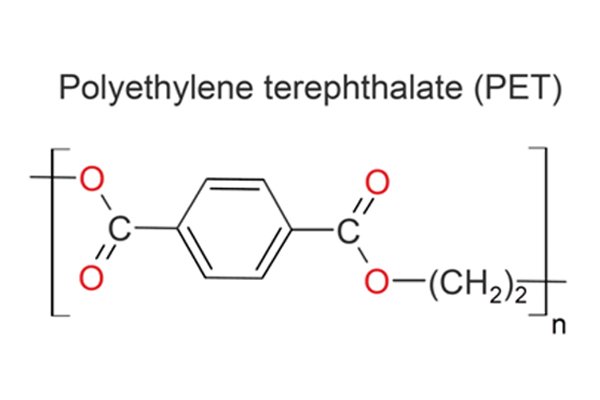
The manufactured polyester polymer chips melt down to produce polyethylene terephthalate (PET), which is called polyester. The molten polymer is spun into fibers or filaments via a spinneret to manufacture polyester yarn, which is used to create polyester fabrics.
2. What is Recycled Polyester?
Polyester has been used in fashion for decades, and the modern trend is recycling polyester. Recycling is the process of collecting and reprocessing materials that would otherwise be discarded into trash and creating new products out of them. There are two main ways to recycle polyester: pre-consumer material recycling and post-consumer material recycling.
a. Pre-consumer Recycled Polyester
Pre-consumer recycled polyester is made from post-industrial waste or excess production. This includes production waste of polyester materials such as fabric offcuts, bottle scraps, and unused products like surplus goods. This is called pre-consumer because these materials have not yet reached the end customer.
b. Post-consumer Recycled Polyester
Post-consumer recycled polyester is made from used polyester products. Without recycling, these materials would become waste and end up in landfills. This includes plastic bottles, used clothing, and other polyester items collected after consumer use.
The thermoplastic nature of polyester allows the polymer to melt and reform into filaments for manufacturing various yarn types for textile use.
3. Application of Recycled Polyester in Apparel
Recycled polyester materials have become a leading trend in the textile industry. They are used in top sportswear, outerwear, and sustainable fashion.
For example, Nike has introduced recycled polyester in leggings, tank tops, bags, sports bras, and jackets. By 2025, Lululemon aims to ensure at least 75% of its products use recycled, renewable, or regenerative fibers, or are manufactured using low-resource processes.
4. Difference Between Virgin Polyester and Recycled Polyester
There are slight differences between recycled polyester and virgin polyester. Recycled polyester may have:
- Lower thermal resistance
- Less surface smoothness and increased unevenness
- Lower tenacity
However, with modern technology, recycled polyester can now nearly match the performance of virgin polyester.
5. The Benefits of Recycled Polyester
a. Lower Carbon Footprint
Recycled polyester requires 59% less energy to produce than virgin polyester. It can reduce CO₂ emissions by 32%, and it also reduces the need to extract crude oil and natural gas for plastic production.
b. Reducing Landfill & Ocean Pollution
Of the 200 million tonnes of plastic produced annually, around 10% ends up in oceans, causing serious environmental damage. Recycling PET-grade plastic into quality fabrics helps reduce pollution, landfill use, and plastic incineration, which releases toxic gases.

6. Certificates of Recycled Polyester
A major concern with recycled materials is verifying whether they are truly recycled. Since there are no chemical or mechanical tests to distinguish recycled from virgin material, the industry relies on third-party certification.
RCS – Recycled Claim Standard
RCS tracks recycled raw materials through the supply chain. It verifies the presence and percentage of recycled content through third-party audits from groups such as Intertek, Control Union, and Bureau Veritas.
GRS – Global Recycled Standard
GRS goes beyond material tracking. It includes input verification, environmental and social standards, and labeling requirements for products made with recycled materials. Fabric suppliers must provide documentation to ensure compliance.
7. End
As a sustainable and functional yarn supplier, Functional Yarns is committed to offering recycled and eco-friendly yarns including:
- Recycled polyester yarns
- Recycled cotton yarns
- Hemp yarns
We also supply functional recycled polyester yarn with properties such as moisture-wicking. If you have any questions or requirements, feel free to contact us.