

What Is Cellulose Yarn?
Manmade cellulosic fibres come from plants, most often trees, which are chipped and processed into pulp before being processed into fibers. The basic raw material is wood, typically from relatively fast growing species such as eucalyptus, pine, and beech.
Viscose/Rayon is the most common Manmade cellulosic fibres . To transform wood pulp into fibre, the pulp undergoes a chemical-technological process that involves multiple steps. The process involves high use of chemicals, energy, and water.
Product Series
Cellulosic fibres, including Viscose/Rayon, Tencel,Lyocell, Modal, and Bamboo are the second most important group of cellulosic fibres after cotton, and rapid growth is expected for this fibre group in the future.
Viscose
Viscose yarn, the first ever manufactured fiber, is made by heavily processing cellulose of wood pulps. Unlike synthetic yarns like polyester, it is made from natural materials and has a number of similar properties of cotton, linen etc.
Available Blends
Viscose (Ecovero, Rpet/Ecovero, Liva Eco Viscose, protein viscose and so on.100% Viscose Melange any tailor made solutions can provided according to your requirement/preference.
Count Range
Upto Ne 10s – 60s

Lyocell
Lyocell is a form of rayon that consists of cellulose fiber made from dissolving pulp using dry jet-wet spinning and is bio-degradable. This fiber is eco-friendly and has the potential for re-use and remanufacture, when compared to viscose fiber. Lyocell fiber can be processed virgin or as blended yarn with cotton, viscose, polyester linen etc. Since the lyocell can be used for wide range of products, the fiber specification will change depending upon the application.
Available Blends
100% or blends with other materials It can also be mixed with polyester/recycled polyester according to your requirement.
Count Range
Upto Ne 10s – 60s

Tencel
Tencel is made from sustainably sourced wood pulp, typically from eucalyptus trees. It’s known for its softness, breathability, and moisture-wicking properties. Tencel fabrics are produced using an environmentally responsible “closed-loop” process where solvents are recycled, minimizing environmental impact.
Available Blends
A100, LF, G100, 100% or blends with other materials. Tailor made solutions can provided according to your requirement/preference.
Count Range
Upto Ne 10s – 60s
Modal
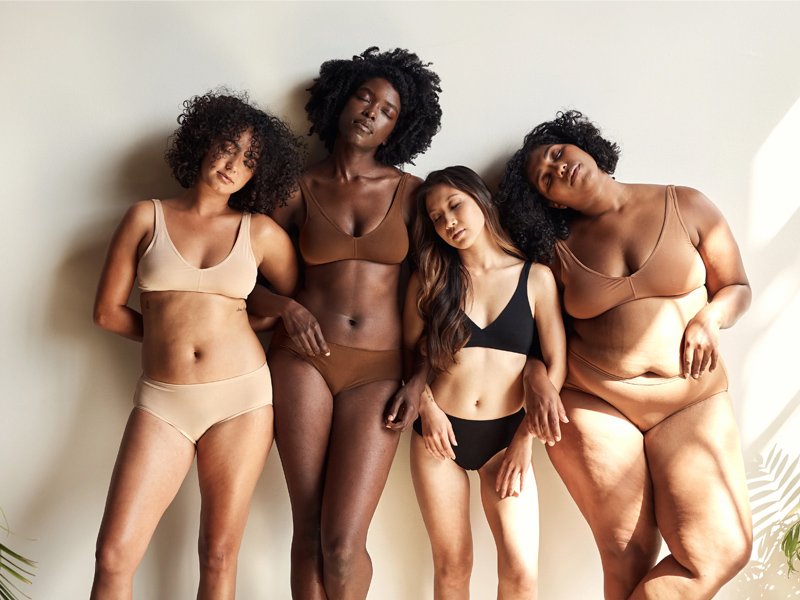
Modal, one of the best manmade fiber, is a type of rayon made out of the pulp of beech trees. It is widely acknowledged in the textile industry for its soft, light weight feel like cotton, silky sheen, high water absorbency, sturdiness and long lasting nature.
Available Blends
100% or blends with other materials. Tailor made solutions can provided according to your requirement/preference.
Count Range
Upto Ne 10s – 60s
Bamboo
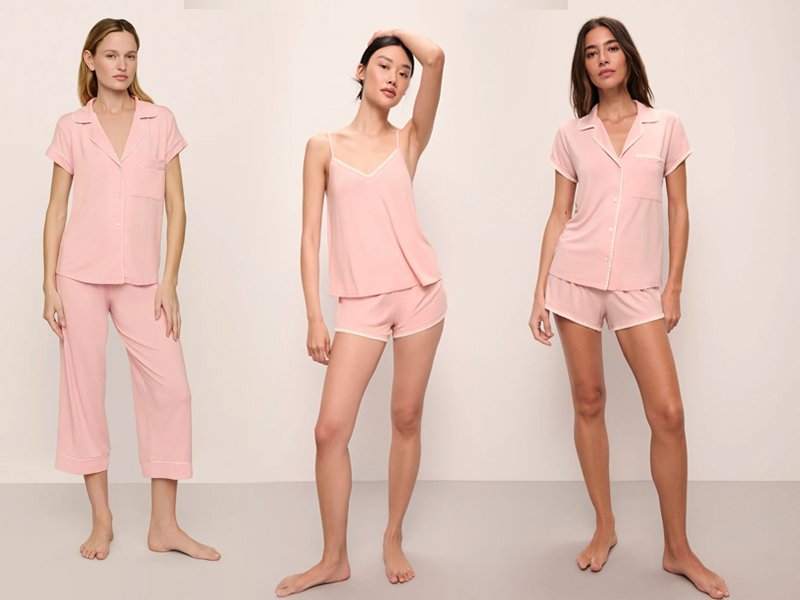
Bamboo yarn is made from the fibers of bamboo . The cellulose fibers are extracted by breaking down the stalks of the bamboo plant and then treated to make fine bamboo yarns. At the end of the process, these yarns are soft, have a silky texture with a subtle shine, and excellent draping quality.
Available Blends
100% or blends with other materials. Tailor made solutions can provided according to your requirement/preference.
Count Range
Upto Ne 10s – 60s
Acetate
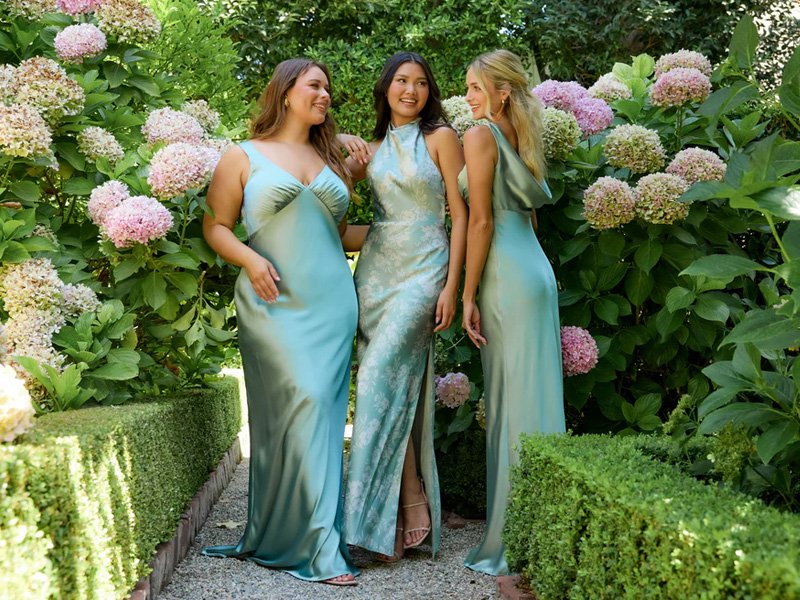
Acetate yarn is a synthetic yarn made from cellulose acetate, derived from natural sources like cotton or wood pulp. It’s known for its silk-like luster, soft feel, and draping qualities, making it a popular choice in the fashion industry, especially for linings, dresses, and bridal wear. Acetate yarn is also breathable, moisture-absorbent, and wrinkle-resistant, contributing to its comfortable wear.
Available Blends
Naia/PET(Modal\Lyocell). Tailor made solutions can provided according to your requirement/preference.
Count Range
Upto Ne 10s – 60s
Tell Me More
What is cellulose yarn?
Cellulose yarn is a type of yarn made from regenerated cellulose fibers derived from plant materials such as wood pulp, bamboo, or cotton linters. Common types include viscose, modal, lyocell, bamboo, and acetate. These yarns are soft, breathable, and biodegradable, making them popular in sustainable textile applications.
Is cellulose the same as cotton?
Not exactly. Cotton is a natural cellulose fiber, meaning it contains cellulose in its raw, unprocessed form. Other cellulose yarns like viscose or lyocell are regenerated cellulose—they are processed from plant pulp into fibers through a chemical method. So while both are cellulose-based, cotton is natural and others are semi-synthetic.
What are the cellulose yarn products?
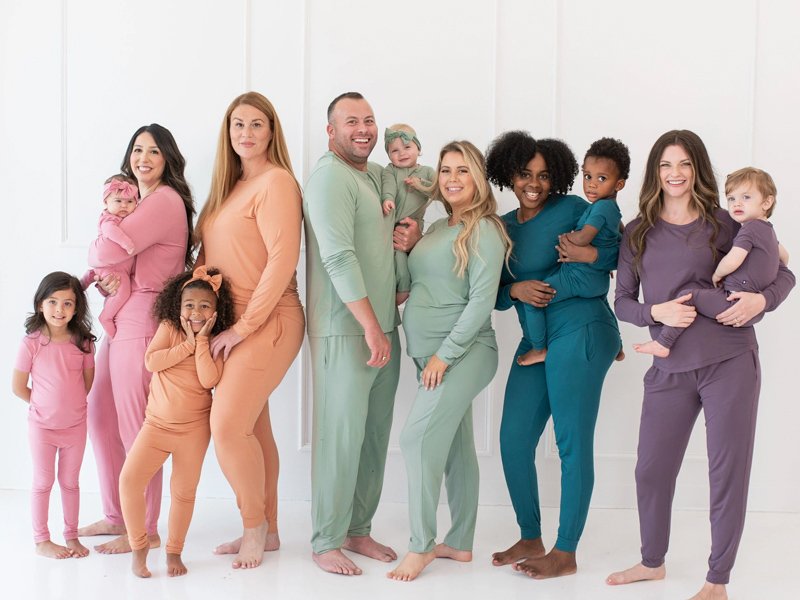
Cellulose yarns are used to make a wide variety of products, including soft apparel like T-shirts, dresses, blouses, underwear, pajamas, scarves, and baby clothing. They’re also used in home textiles such as bed linens, towels, and curtains. Thanks to their softness and breathability, they are ideal for next-to-skin applications.
What are the advantages of cellulose yarn products?
Cellulose yarn products offer several benefits:
- Soft and comfortable for sensitive skin
- Breathable and moisture-absorbent
- Biodegradable and eco-friendly
- Good drape and dyeability
- Suitable for sustainable fashion and babywear
Let’s Talk About Your Functional yarns Needs
Whether you’re specifying counts, fiber blends, functional finishes, or sustainability credentials, our team is ready to craft the perfect core-spun solution for your project.