
In today’s world, many diseases can spread globally in a matter of hours.
To live a healthy life and prevent diseases from spreading, it is best to invest in anti-bacterial textiles.
These days, there seems to be an increase in the demand for anti-bacterial yarns as many people, especially doctors and individuals in hospitals, prefer wearing these products.
This post will explain what an anti-microbial yarn is, how it works, and how you can test it to verify that it does what you want.
What Is Anti-Bacterial Yarn?
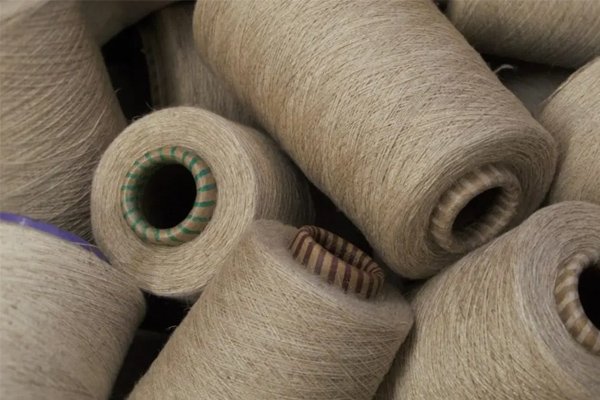
Anti-bacterial yarns are just what they sound like: yarns with functions of anti-bacteria.
Antimicrobial yarns are made by treating yarn substrates with antimicrobial agents or by using textile fiber with inherent antimicrobial efficiency. Antimicrobial agents are bound to textiles by different methods depending on the chemistry between the antimicrobial agent and the textile.
In fact, they are usually found in products such as fabrics, household cleaners, soaps, detergents, and health and skincare products.
Although anti-bacterial yarns are not standard in everyday apparel, you will find them in socks, undergarments, medical garments, and exercise clothing.
They can also be found in home textiles such as towels and sheets.
Types of Anti-Bacterial Yarns
Regarding anti-bacterial agents, the most widely used antimicrobial agents for textile applications are based on:
- Metal salts (e.g., zinc, silver)
- Quaternary ammonium compounds (QAC)
- Halogenated phenols (e.g., triclosan)
- Polybiguanide (e.g., PHMB)
- Chitosan
- N-halamines
As far as yarn material is concerned, now polyester and nylon is most widely used in textiles. Cellulose materials such as cotton, rayon and lyocell are also increasing.
How Does Anti-Bacterial Yarn Work?
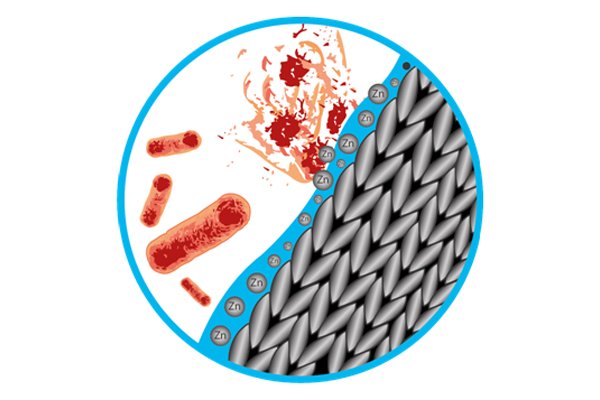
In general, antibacterial agents can either kill the microorganisms or inhibit their growth. They can:
- Damage the cell wall
- Disrupt the cell membrane permeability
- Inhibit the activity of enzymes or synthesis of lipids
All these functions are essential for microorganisms’ survival.
What Are the Applications and Benefits of Anti-Bacterial Yarn?
Applications
- Sports textiles: Ideal for manufacturing sports garments that protect athletes from odor and bacterial infections.
- Medical textiles: Used for hospital garments, lab coats, curtains, scrubs, wound dressings, and more.
- Military and defense: Used in biological and counter-chemical warfare garments and protective equipment.
- Other applications: Home textiles, automotive fabrics, furniture, food packaging, air filters, safety gear, and general apparel.
Benefits
- Reduces the amount of harmful bacteria on fabric surfaces by 99.9%.
- Keeps fabric fresh and clean-smelling, even after extended wear.
- Prevents odor in garments and shoes caused by sweat.
- Helps prevent skin infections like acne, as bacteria cannot survive on the surface.
How Do You Test for Antibacterial Fabric?
AATCC 100 is a test method that measures the effectiveness of a compound in inhibiting the growth of bacteria, fungi, or other microorganisms.
It determines whether a product can be considered “anti-microbial”—resistant to microorganisms without being toxic to humans.
Other standard test methods include:
- AATCC TM147
- AATCC TM30
- ISO 20645
- ISO 11721
- ISO 20743
- SN 195920
- SN 195921
- SN 195924
- JIS L 1902
- ASTM E 2149 (or its modification)
Conclusion
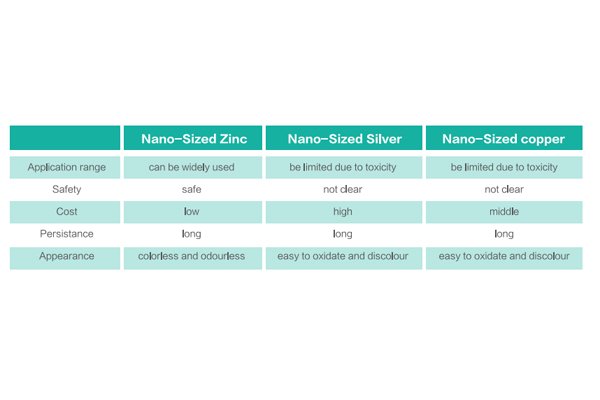
Functional Yarns is a functional and innovative yarn supplier. We’re supplying various high-quality anti-bacterial yarns, including zinc anti-bacterial yarn with outstanding characteristics. Welcome to contact us if you have any questions or requirements.